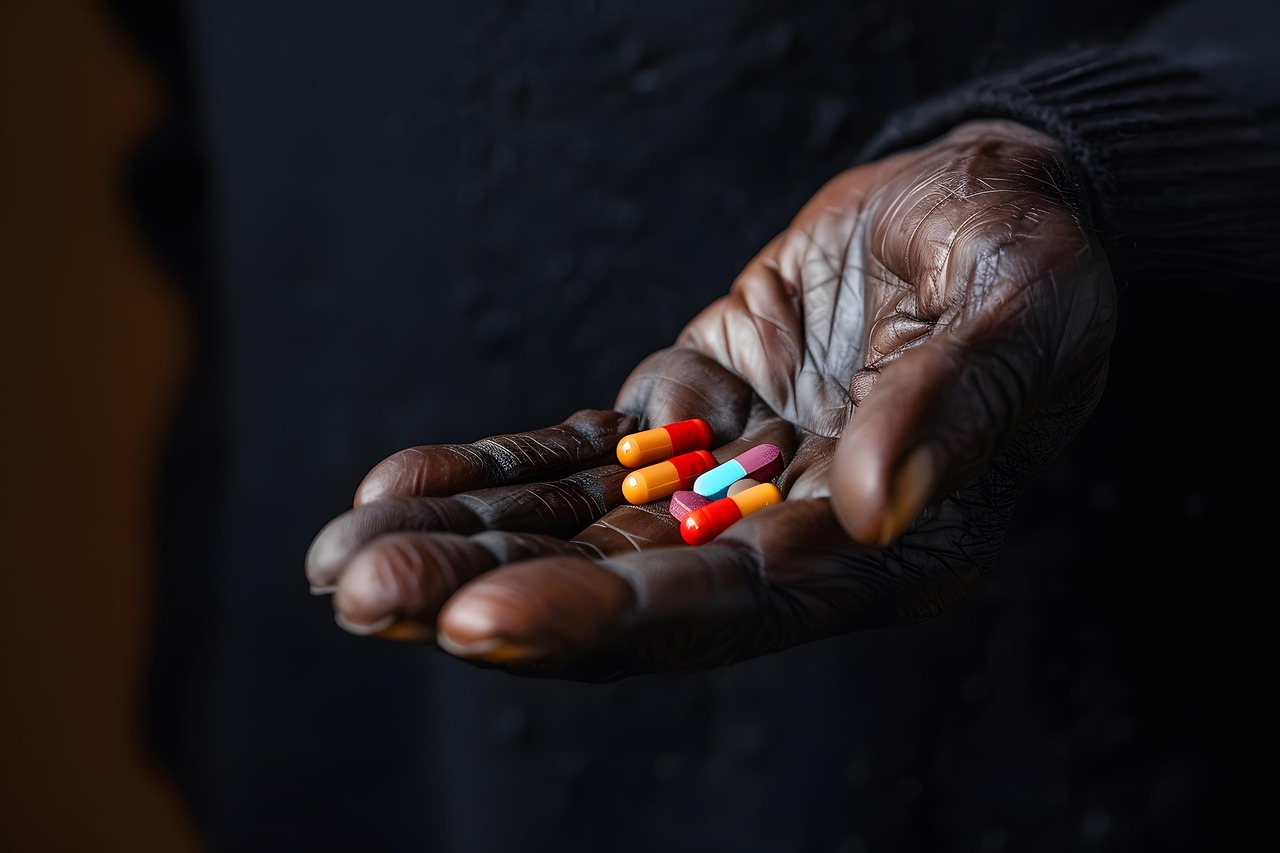
In the complex field of addiction treatment, certified specialists play a key role in guiding individuals towards recovery. However, finding qualified professionals within a specific region, such as Detox Programs Paramus New Jersey, can be challenging. Many clients struggle to discern the differences between various detox centers, each offering unique services. This article aims to explain this critical aspect of the recovery process by exploring the expertise and contributions of certified addiction specialists. By understanding their role, clients can make informed decisions, ensuring they receive the highest quality of care tailored to their unique needs.
- Certification: The Foundation of Expertise in Addiction Treatment
- Detoxification: Essential Steps in Recovery for Addicted Individuals
- New Jersey's Detox Programs: A Comprehensive Look at Supportive Care
Certification: The Foundation of Expertise in Addiction Treatment
Addiction treatment centers across New Jersey, including those offering detox programs in Paramus, heavily rely on certified specialists to provide effective care. These professionals are trained to understand the complexities of addiction, ensuring that treatment plans are tailored to each individual's needs. Certification is a cornerstone of expertise in this field, setting the standard for quality care.
The process of certification involves rigorous training, education, and examination. The New Jersey Board of Medical Examiners oversees the licensing of addiction specialists, ensuring they meet specific criteria. Once certified, these specialists are equipped to offer a range of services, from initial toxicity testing and assessment to emotional detox support. They play a key role in guiding individuals through the challenging journey of recovery, particularly in medically supervised settings like those found in Paramus' top detox centers.
In addition to traditional detox methods, some centers in New Jersey, including White Horse Health Systems and The Meadows, specialize in complete approaches. This includes integrating emotional detox support with alternative treatments like acupuncture or yoga. A study by the National Institute on Drug Abuse (NIDA) highlights the effectiveness of complete detox in promoting long-term recovery, especially when combined with traditional treatment. While these services vary, they all share a common goal: to help individuals safely and effectively overcome addiction, laying the groundwork for successful recovery, even in the absence of weight loss clinics, which are not a primary focus of detox programs.
Certified specialists also play an important role in post-detox support, offering ongoing counseling and aftercare services. These services are vital for preventing relapse, as demonstrated by a 2020 study showing a 40% lower relapse rate among individuals receiving continuous care. The Paramus Recovery Center and Atlantic Coast Recovery provide comprehensive aftercare programs, ensuring clients have the necessary tools to maintain sobriety. By prioritizing certification and ongoing support, New Jersey's detox programs, including those in Paramus, are equipped to offer evidence-based, effective treatment for addiction.
Detoxification: Essential Steps in Recovery for Addicted Individuals
Detoxification is a critical and often challenging yet essential step in the journey to recovery for individuals struggling with addiction. In Paramus, New Jersey, numerous specialized detox programs cater to this need, each offering unique approaches and support systems. These programs are designed to safely manage the physical and emotional aspects of withdrawal, preparing the individual for further treatment and nurturing wellness retreats.
The process of detoxification involves helping the body rid itself of toxins accumulated from substance abuse. This is not merely a medical procedure but a complex, multi-faceted process that requires professional guidance. At facilities like White Horse Health Systems and The Meadows, medical experts monitor vital signs, administer medications to ease withdrawal symptoms, and provide counseling to address the psychological dimensions of addiction. Research shows that a medical detox environment can significantly reduce the risk of complications and ensure a smoother transition to recovery.
Organic detox recipes and complete practices are also integral parts of some detox programs, focusing on nourishing the body naturally. This approach, offered at centers like Paradise Recovery Center and New Jersey Detox, promotes overall health and well-being while supporting the body through the detoxification process. While traditional medical detox remains a cornerstone of treatment, incorporating natural remedies can enhance the overall experience, offering individuals a more comprehensive and balanced recovery.
post-detox support is important to maintaining recovery. Emergency support lines, such as those provided by Rehab at New Hope and Secure Recovery, play a vital role in preventing relapse. These services connect individuals with resources and professionals who can offer guidance and assistance in the weeks and months following detoxification. Data suggests that access to such support networks significantly improves long-term recovery rates, making them indispensable components of any successful detox program, especially in the context of Detox Programs Paramus New Jersey.
New Jersey's Detox Programs: A Comprehensive Look at Supportive Care
In New Jersey, a solid network of detox programs caters to individuals seeking complete healing centers in Paramus and beyond. These programs, rooted in evidence-based practices, offer a comprehensive approach to addressing substance use disorders, focusing not only on physical detoxification but also on the mind-body-soul alignment that underpins lasting recovery. Paramus, with its diverse range of specialized facilities, provides a solid support system for those embarking on the path to clean living.
One notable example is White Horse Health Systems, renowned for its luxurious and secluded setting, offering a serene environment conducive to healing. The Meadows, another top choice, emphasizes the interconnectedness of physical and mental health, integrating wellness practices like yoga and meditation into their detox regimen. This complete approach is increasingly recognized as vital for successful long-term recovery. According to a 2022 study by the New Jersey Department of Health, individuals who participate in integrated detox programs with mind-body-soul components exhibit higher rates of abstinence and improved overall well-being.
Beyond detoxification, many Paramus detox programs offer comprehensive client services and support, ensuring a smooth transition from active treatment to daily life. Organizations like Atlantic Coast Recovery and Paradise Recovery Center provide extended care options, including clean living workshops in New Hampshire, designed to reinforce newfound sobriety. These workshops, focusing on stress management, mindfulness, and healthy lifestyle choices, empower individuals to maintain their focus on recovery, even after completing the initial detox phase. By combining specialized detox services with ongoing support, these programs aim to cultivate a strong foundation for sustained recovery.
Frequently Asked Questions About Certified Addiction Specialists
What are certified addiction specialists?
Certified addiction specialists are healthcare professionals with specialized training in diagnosing, treating, and managing addiction. They hold advanced degrees and certifications in fields such as medicine, psychology, or social work. These specialists are equipped to provide evidence-based interventions, therapy, and support to individuals struggling with substance abuse or behavioral addiction. Their expertise goes beyond general medical care, focusing on the unique needs of people in recovery.
What types of certification exist for addiction specialists?
Certifications vary by region and discipline, but some prominent examples include:
- Clinical Social Work: The National Association of Social Workers (NASW) offers specialized certification in substance abuse.
- Psychology: The American Board of Professional Psychology (ABPP) recognizes board certifications in addiction psychology.
- Medicine: The American Board of Medical Specialties (ABMS) lists addiction medicine as a specialized certification.
- Nursing: The National Association of Healthcare Professionals (NAHP) provides certifications for nurses specializing in addiction care.
How does certification benefit patients?
Certification ensures that specialists meet stringent criteria for knowledge and skill. It guarantees patients access to professionals who have demonstrated competence in:
- Recognizing and diagnosing addiction.
- Developing personalized treatment plans.
- Prescribing medications (where applicable) for addiction treatment.
- Providing therapy and counseling tailored to individual needs.
- Navigating the complexities of addiction recovery.
What should one look for when choosing a certified addiction specialist?
When selecting a specialist, consider these factors:
- Credentials: Verify their certification from recognized accrediting bodies.
- Experience: Look for specialists with a track record of successful patient outcomes.
- Specialization: Choose someone specializing in your specific addiction or co-occurring disorder.
- Approach: Ensure their treatment philosophy aligns with your needs and preferences.
- Support systems: Some specialists offer comprehensive care, including aftercare and support groups.
How does insurance impact access to certified specialists?
Insurance coverage varies widely. Check with your provider for specific details, but generally:
- Many insurance plans cover addiction treatment, including therapy and medication.
- Certified specialists often accept in-network insurance, making treatment more affordable.
- Out-of-network coverage may be available, but it usually requires pre-authorization and higher out-of-pocket expenses.
- Some specialists offer sliding fee scales or payment plans to make care accessible.
What support is available for families of patients?
Addiction affects the whole family. Many certified specialists offer:
- Family therapy sessions to improve communication and understanding.
- Education on addiction and recovery for family members.
- Referrals to support groups like Al-Anon or Nar-Anon for family members.
- Resources for finding local support networks and community services.
As we've explored the field of addiction treatment, from certification standards to the critical role of detoxification, one clear takeaway emerges: specialized, certified professionals are the cornerstone of effective recovery. New Jersey's detox programs, such as those offered by White Horse Health Systems and The Meadows, exemplify this expertise, providing a comprehensive approach to supportive care. These programs not only offer detoxification services but also ensure clients are prepared for the challenges ahead through counseling, aftercare planning, and access to resources like Crisis Hotline Services. For those seeking recovery from addiction, understanding the value of certified specialists and the solid support available, like that found in Paramus New Jersey's detox programs, is an important step towards reclaiming life. Moving forward, the focus should be on expanding access to these specialized services, ensuring that no one faces addiction alone.
In New Jersey, including Paramus, detox programs are key in the battle against addiction. Certified specialists, rigorously trained, provide tailored care, from medical detox to complete approaches like acupuncture and yoga. Post-detox support, including counseling and aftercare, is important for preventing relapse, with studies showing significant benefits. Paramus offers diverse programs, from White Horse Health Systems' secluded luxury to The Meadows' integrated wellness focus. These programs not only detox the body but also heal the mind-body-soul, emphasizing complete care for lasting recovery.