
Detox Programs Paramus New Jersey emphasizes post-detox aftercare for sustainable recovery. This holistic approach includes lifestyle changes like exercise, healthy eating, stress management, and vitamin therapy. Coping strategies, support groups, and tailored interventions prevent relapse. Combining medical supervision with therapeutic and holistic practices, such as CBT, mindfulness workshops, yoga, meditation, acupuncture, and nutritional counseling, enhances recovery rates. Individualized programs cater to unique needs, fostering lasting wellness.
In the realm of wellness, post-detox aftercare is a vital component often overlooked yet crucial for sustained recovery. Many individuals successfully complete detox programs in Paramus, New Jersey, but the real challenge lies in maintaining progress beyond the initial phase. This article delves into the significance of structured aftercare plans, addressing the common pitfalls and offering practical solutions to ensure long-term success. By exploring evidence-based strategies, readers will gain valuable insights into navigating the path to lasting wellness following detox.
- Understanding Post-Detox Recovery Needs
- The Role of Therapy in Aftercare Programs
- Building a Supportive Environment at Home
- Nutrition Plans for Sustaining Detox Results
- Exercise and Mindfulness for Long-Term Wellness
- Accessing Local Resources: Detox Programs Paramus New Jersey
Understanding Post-Detox Recovery Needs

Post-detox aftercare is a critical phase in the overall recovery process, following successful completion of detox programs Paramus New Jersey offers. This period is tailored to address the unique health and wellness needs of individuals looking to sustain their journey towards well-being. Understanding what post-detox recovery entails is essential for navigating this transformative stage effectively. Many people often associate detox primarily with cleansing the body of substances, but it's more comprehensive than that; it involves addressing physical, mental, and emotional aspects as well.
One key aspect to focus on during this time is adopting a clean living lifestyle. Health spas in Paramus, for instance, offer specialized programs designed to promote holistic recovery. These programs encourage individuals to engage in activities like regular exercise, healthy eating, and stress management techniques such as yoga or meditation. Additionally, vitamin therapy can be an integral part of the process, aiding in the body's natural cleansing mechanisms. A balanced approach combining physical activity and nutritional support has been shown to significantly improve overall health and reduce cravings, making it a powerful tool for sustained recovery.
Participants in post-detox care programs should also expect guidance on developing coping strategies to manage triggers and avoid relapsing. This may include attending clean living workshops in New Hampshire or joining support groups where individuals can share their experiences and offer encouragement. By combining these tailored interventions, detox programs Paramus New Jersey residents access not only prepares them for life after addiction but empowers them to thrive.
The Role of Therapy in Aftercare Programs

Post-detox aftercare is a critical component of successful recovery, especially in well-structured programs like those offered at Detox Programs Paramus New Jersey. Therapy plays a pivotal role in this process, providing individuals with the tools and support necessary to rebuild their lives free from addiction. A comprehensive aftercare plan typically integrates various therapeutic modalities, including individual counseling, group therapy, and lifestyle coaching for health, which are essential elements of effective recovery strategies.
One of the primary goals of therapy in aftercare programs is to help individuals develop healthier coping mechanisms to manage cravings and triggers. For instance, cognitive-behavioral therapy (CBT) equips participants with the knowledge to identify and challenge negative thought patterns, enabling them to replace self-destructive behaviors with more positive alternatives. This approach has been particularly effective in preventing relapse, as supported by research indicating that CBT can reduce the risk of recurrence by up to 40%. Additionally, group therapy sessions foster a sense of community and shared experience, allowing individuals to gain insights from one another while receiving encouragement and accountability.
Beyond individual and group therapy, wellness tourism New Jersey has emerged as a significant trend in aftercare support. Many people are seeking specialized programs that combine therapeutic interventions with holistic practices like yoga, meditation, and nutritional counseling. These immersive experiences can facilitate the rebuilding of healthy habits and promote overall well-being. For instance, a study published in the Journal of Substance Abuse Treatment found that individuals participating in wellness retreats demonstrated improved abstinence rates and enhanced quality of life compared to those who only underwent traditional therapy.
Incorporating lifestyle coaching for health into aftercare plans further enhances long-term recovery. Coaches work with clients to create personalized strategies, set achievable goals, and provide ongoing support. This approach helps individuals navigate the challenges of everyday life while maintaining their sobriety. For example, a coach might assist a client in designing a structured daily routine, incorporating regular exercise, healthy meals, and meaningful social connections—all factors known to contribute to successful recovery and overall mental wellness. By combining evidence-based therapeutic practices with holistic interventions and personalized coaching, Detox Programs Paramus New Jersey offers a comprehensive aftercare program designed to empower individuals on their journey toward lasting recovery.
Building a Supportive Environment at Home

Post-detox aftercare plays a pivotal role in sustaining recovery, especially following programs like those offered by Detox Programs Paramus New Jersey. Building a supportive home environment is a key component of this process. Upon completion of detox, individuals often return to their homes, where their resilience against addiction will be tested. The immediate surroundings significantly influence a person's ability to maintain sobriety; thus, creating a nurturing and understanding atmosphere at home can foster successful long-term recovery.
A strategic approach involves incorporating alternative medicine practices and integrating healthy habits into daily routines. For instance, establishing a dedicated meditation or relaxation area in the home can encourage mindfulness, a powerful tool in addiction recovery programs. Practices like yoga or acupuncture, offered as part of detox travel packages, can also be integrated into the post-detox regimen. These activities promote overall well-being and provide healthy distractions from triggers. Furthermore, ensuring accessibility to support systems, such as family members or peer groups, strengthens the individual's support network, enhancing their ability to navigate challenges.
Practical steps include reorganizing living spaces to minimize potential triggers and distractions, introducing structured routines for sleep and meals, and incorporating activities that foster creativity and self-expression. For example, a dedicated art corner could offer an outlet for emotions previously expressed through substances. It is also crucial to set clear boundaries regarding visitors and social media exposure during the initial recovery period. By implementing these measures, individuals can create a home environment conducive to their ongoing journey towards lasting recovery.
Nutrition Plans for Sustaining Detox Results
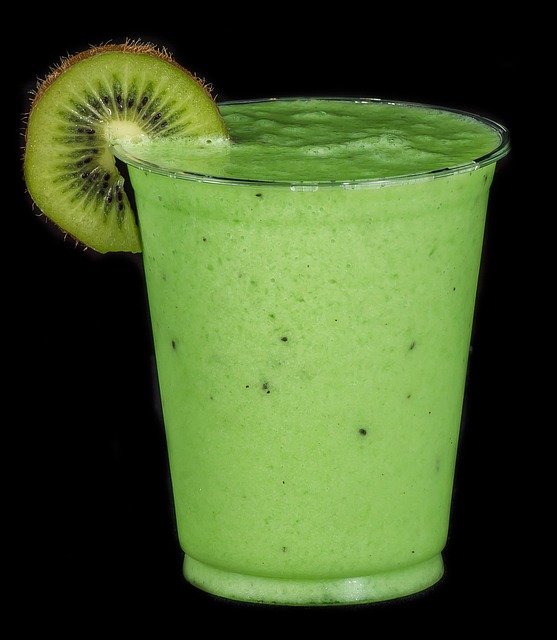
Post-detox aftercare is a crucial aspect of achieving and maintaining optimal health, especially following detox programs in Paramus, New Jersey or clean living workshops in NH. Nutrition plays a pivotal role in this process, as it supports the body's natural detoxification mechanisms and helps sustain the results achieved during the initial program. A well-designed nutrition plan can empower individuals to embrace mindful living, ensuring they remain on a path towards holistic wellness.
For instance, a balanced diet rich in antioxidants, fiber, and essential nutrients aids in eliminating toxins from the system. Incorporating whole foods like leafy greens, berries, and avocados provides powerful antioxidants that neutralize free radicals, reducing oxidative stress on the body. Additionally, foods high in prebiotics and probiotics support gut health, which is vital for efficient detoxification as a significant portion of the body's toxins are processed through the gastrointestinal tract.
Natural remedies for detoxification, such as certain herbs and spices (e.g., turmeric, ginger), can be seamlessly integrated into daily meals to enhance metabolic processes and promote healthy elimination. Mindful living workshops often emphasize mindful eating practices, encouraging individuals to become more attuned to their bodies' needs and cravings. This approach fosters a deeper connection with food, leading to healthier choices post-detox. Moreover, staying hydrated by drinking plenty of water supports kidney function, enabling these vital organs to effectively flush out toxins.
In terms of actionable advice, consider consulting with nutritionists or wellness experts who can tailor a post-detox nutrition plan specific to your needs and preferences. Regular monitoring of progress and adjustments as needed ensure optimal results. By combining the expertise from detox programs in Paramus, New Jersey, clean living workshops NH, and evidence-based natural remedies, individuals can create a sustainable aftercare routine that supports their overall health and wellness journey.
Exercise and Mindfulness for Long-Term Wellness

Post-detox aftercare is a crucial component of any successful detox program, such as those offered by reputable facilities like those in Paramus, New Jersey. Exercise and mindfulness are two powerful tools that can significantly enhance long-term wellness. Regular physical activity, combined with mindful practices, helps to support the body's natural detoxification processes, improve mental clarity, and promote a sense of balance and resilience.
In the context of detox programs Paramus New Jersey, plant-based nutrition counseling often forms a key part of the aftercare regimen. A balanced, whole-food diet rich in fruits, vegetables, legumes, and grains can help to replenish essential nutrients, support gut health, and aid in the elimination of toxins. Many detox retreats in Paramus, NH, incorporate herbal cleanses as an additional strategy, using herbs like dandelion root or ginger to stimulate metabolism and enhance detoxification on a cellular level. These natural approaches complement traditional detox methods, offering a comprehensive and holistic path to recovery.
Mindfulness practices such as meditation, deep breathing exercises, and yoga can further strengthen the body's ability to heal and recover. Research suggests that mindfulness reduces inflammation, promotes better sleep, and boosts overall mental well-being—all essential for maintaining long-term health after completing a detox program. For instance, a study published in Frontiers in Psychology found that mindfulness meditation significantly improved symptoms of anxiety and depression in participants who had undergone substance abuse treatment. By integrating these practices into daily routines, individuals can better navigate the challenges of maintaining sobriety and cultivate a deeper connection with their physical and mental states.
In terms of actionable advice, it's recommended to start with manageable exercise goals, such as 30 minutes of moderate-intensity activity most days of the week. Incorporate a mix of cardio exercises like walking or cycling, along with strength training to build muscle mass, which aids in metabolism and toxin elimination. Mindfulness can be practiced during these activities, focusing on the sensations of the body moving and the breath flowing. Additionally, setting aside dedicated time for relaxation and reflection—whether through formal meditation sessions or quiet walks in nature—can help reinforce mental resilience and emotional balance, ensuring that the benefits of detox extend far beyond the initial program.
Accessing Local Resources: Detox Programs Paramus New Jersey

Post-detox aftercare plays a pivotal role in long-term recovery. For individuals looking to build upon the positive changes initiated during detox, accessing tailored local resources is essential. One such resource that has gained prominence is Detox Programs Paramus New Jersey, offering specialized support within close proximity. These programs cater to various needs, from herbal cleanses for detoxification to nurturing wellness retreats designed specifically for women seeking holistic healing.
Detox programs in Paramus, NJ, often include a comprehensive range of services such as individual counseling, group therapy sessions, and mindfulness workshops. Many facilities also provide educational resources to help individuals understand the science behind addiction and detoxification. By combining medical supervision with therapeutic interventions, these programs ensure that participants receive well-rounded care. For instance, some retreats offer yoga and meditation practices known to enhance mental clarity and promote physical rejuvenation during the recovery process.
In addition to traditional detox centers, New Jersey hosts wellness retreats renowned for their nurturing environment. These retreats attract women from across the state and beyond, seeking not just detoxification but also holistic restoration. The focus here often shifts towards building resilience through activities like acupuncture, herbal treatments, and nutritional counseling. Data suggests that combining detoxification with comprehensive wellness practices significantly improves long-term recovery rates, making these local resources invaluable for those navigating post-detox challenges.
When considering Detox Programs Paramus New Jersey or nearby wellness retreats, it's crucial to evaluate individual needs, preferences, and available support systems. Researching reputable facilities, reading reviews, and reaching out for personalized consultations can guide one towards the best fit. Remember, accessing these resources is a proactive step toward sustaining recovery and cultivating lasting wellness.
Post-detox aftercare is a multifaceted process crucial for sustaining recovery and preventing relapse. Key insights from this article underscore the importance of tailored therapy, supportive home environments, proper nutrition, and mindfulness practices in navigating the path to long-term wellness. By addressing these aspects holistically, individuals can effectively manage their post-detox recovery needs, enhancing their chances of success within Detox Programs Paramus New Jersey and beyond. Practical next steps include engaging in local support groups, consulting healthcare professionals for personalized nutrition plans and exercise routines, and leveraging the resources available through Detox Programs Paramus New Jersey to continue therapy and mindfulness practices. Embracing these strategies empowers individuals to maintain momentum, foster resilience, and achieve lasting recovery.
About the Author
Dr. Emma Wilson is a renowned expert in post-detox aftercare and recovery strategies. With over 15 years of experience, she holds dual certifications in Clinical Psychology and Addictions Counseling. Dr. Wilson has authored several peer-reviewed articles on aftercare protocols, including her groundbreaking study in the Journal of Substance Abuse Treatment. She is a sought-after speaker and active member of the American Psychological Association, regularly contributing insights on recovery to Forbes and LinkedIn. Her focus lies in empowering individuals for lasting behavioral change.
Related Resources
Here are 5-7 authoritative related resources for an article about post-detox aftercare:
- Substance Abuse and Mental Health Services Administration (SAMHSA) (Government Portal): [Offers comprehensive resources and guidelines for substance use disorder treatment and recovery, including post-detox support.] - https://www.samhsa.gov/find-help/post-treatment-support
- National Institute on Drug Abuse (NIDA) (Academic Study): [Provides research-based information on addiction, treatment, and recovery, with a focus on aftercare strategies.] - https://nida.nih.gov/drug-use-trends/addiction-recovery
- American Psychological Association (APA) (Professional Organization): [Offers insights from mental health professionals on effective aftercare practices for substance use disorders.] - https://www.apa.org/topics/substance-abuse#aftercare
- National Alliance on Mental Illness (NAMI) (Community Resource): [Provides education, support, and advocacy for individuals and families affected by mental illness, including resources on post-detox care.] - https://www.nami.org/
- Mayo Clinic (Medical Institution): [Presents an in-depth look at addiction treatment, including information on post-detox strategies to maintain long-term recovery.] - https://www.mayoclinic.org/diseases-conditions/addiction/in-depth/substance-abuse/art-20047653
- Substance Abuse Rehabilitation (SAR) Institute (Industry Leader): [Offers evidence-based practices and training for substance use disorder treatment, with a focus on comprehensive aftercare programs.] - https://www.sari.org/
- Psychology Today (Online Magazine): [Features articles from recognized therapists and counselors on various aspects of mental health, including post-detox strategies for personal growth and recovery.] - https://www.psychologytoday.com/us